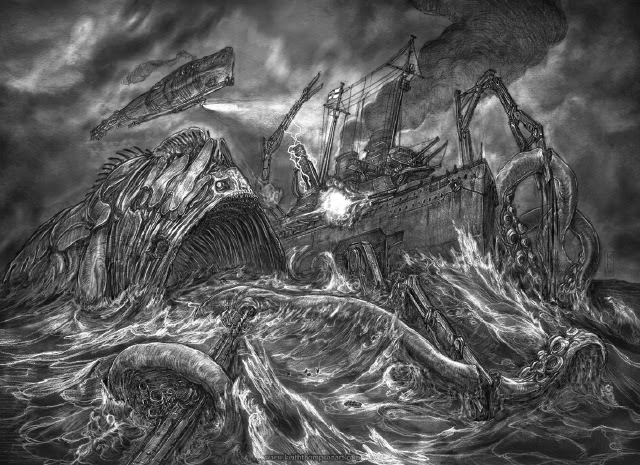
Feeling like a bit of a fairy tale this week so I read Phoenix and Ashes a book in Mercedes Lackey's Elemental Masters series. This book, like the others in this series is a take on a classic fairy tale, in this case Cinderella, combined with the ongoing thread of the Elemental Masters. This entry was a solid read that did the job for more, read on as always SPOILERS AHEAD!
Eleanor Robinson is the only daughter of a factory owner who has been sent to the front during WWI. Before heading out to war, he brought his daughter a new step-mother in the form of Allison and her daughters Lauralee and Carolyn. Allison is a very upscale sort of woman and she instantly begins to marginalize Eleanor in favor of her daughters and starts to get the village to do the same thing. News comes from the front of Eleanor's fathers death. After learning of this, Allison attacks Eleanor, cutting off her little finger and uses it to bind Eleanor to herself and to the house revealing her to be an Earth Master, albeit one who practices Dark Magic. The effect of this is that Eleanor must now do whatever Allison requires and can no longer leave her own house. After a couple years of this Eleanor learns how to "bend" the boundaries of Allison's spells and start to venture out of the house and create a little bit of better conditions for herself. One day a woman by the name of Sarah, the village midwife who also has a bit of small magic. Sarah let's Eleanor know that her mother was a Fire Master and it appears that she has inherited the same talent. Sarah begins to teach her what she can and Eleanor continues to learn on her own, not just about her own Fire element, but about the other three elements as well. Meanwhile we get glimpses of the absolute horror of the war, including the direct effects it is having on the various populace. We see the people deal with rationing and trying to run their businesses without any men between 16-50. We see men coming back from the war wounded and mentally destroyed. We watch as women and young men take up where the other's left off to try and create some sort of life for themselves. One of these young men to come home with wounds both physical and mental is Reggie Fenyx, a pilot who is also an Air Master. He comes home to recover and remembers Eleanor from before the war. He finds her easy to talk to and quit intelligent. They meet when they can, but both of them have other obligations. Allison and her daughters continue with their plans. We discover that the reason they did not kill Eleanor outright was that she is still the only person on her father's will and if she dies all of his assets go to a random cousin. Allison devises a plan to make Eleanor go mad so that she can claim guardianship over her and of course all her assets. Allison also uses her dark Earth powers to try and ensnare Reggie for one of her daughters so that she can continue to climb the social ladder. Allison also uses her Earth power to unleash sickness and misery to obtain more power for herself. Everything comes to a head at a ball held at the manor of Reggie and his mother. Allison and the girls go to try and snag Reggie. Eleanor, who has finally come into her power goes to obtain the aid of Reggie's god-mother who is a powerful Air Master to assist in her breaking Allison's hold on her. And Reggie invite's Eleanor 'cause she is about the only person he can actually stand. Reggie decides he doesn't care about class and rank and asks Eleanor if she would consider marrying him. Before she can answer, the curse reasserts itself and she can barely manage to choke out that she loves him before she must go home. She leaves behind a glove with a missing finger. Reggie goes to find Eleanor, finally figuring out that Allison and her girls are up to no good. Allison and company do everything in their power to make Eleanor and Reggie go mad so that she can continue with her nefarious plans. She is eventually defeated after she sucks the life force from everybody, including her daughters. She loses control of her giant earth elemental who turns on her. Eleanor finally gets to go to Oxford like she always dreamed and she and Reggie continue to grow in their powers.
World Building - The world is set in an alternative history version of England during WWI. The world if very very very (sometimes overly) detailed with every bit of everything spelled out for us. There is a fantasy element with the Elemental Masters and other magics appearing as a normal thing. The author details every bit of the world, giving us everything from the setting to the machinations of the various things going on. It actually has the feeling of being over stuffed with description sometimes...so yeah.
Story - The story had it's basis in the fairy tale of Cinderella, but the execution of it was wholly original. This is a great example of how to take a well known and loved tale and turn it into something completely new and yet familiar enough to know what the source material was. There were several layers to this book and the stories were both very personal and world sized. I love it when an author can tell a story that encompasses both views giving us perspective from all sides. My only real complaint about the story is that like the world building, it felt over done. I love multiple stories, but the author took it to an extreme degree, to the point I just wanted to get back to the story lines I cared about.
Character - This book did a pretty good job with various characters. For the most part the characters were well developed and did not fall too much into standard tropes, which considering this is a fairy tale retelling is a pretty mean feat. I especially loved Allison and her girls 'cause let's face it, a well fleshed out bad guy is pretty awesome. I also liked how the author would use pairs of characters to contrast the strengths, weaknesses and uniqueness of every individual. Overall pretty good characters.
Editing - I always feel like this author could use somebody who maybe put's a hand on her shoulder and points out that maybe we don't need to describe every single engine configuration of every single plane flown at any point during the war. The author does this with every aspect of the book, from cooking and cleaning, to flying, to fighting, to the work of the Elemental Masters, to the social hierarchy, to every major and minor action in this book. I like it when there is a realistic amount of detail that describes the world and I really like when the focus of the book is well thought out, but there is a limit and I think an author needs to focus on what is the interest and focal point of the book. Other then the overkill of detail, the book was very easy to follow and very readable. It just needed to be about 150 pages shorter (the book clocked in at a whopping 468 pages).
Cinderella - I thought that the author did a great job incorporating the familiar story of the serving girl turned princess without essentially just telling us the same story. I especially liked the bit's that hearkened back to the original (and a wee bit gory) story. For instance instead of a tiny glass slipper, our "Cinderella" had a glove with only three fingers. To try and trick Reggie into believing it was her instead of Eleanor, Lauralee actually cut off her pinky to "fit" the glove! This is a direct nod to the step-sisters mutilating their feet to fit into the slipper in the original. I also enjoyed the fact that both Eleanor and Reggie had "fairy god-mothers" it added a nice not to the original and a balance to things. This is how I love my retellings, with direct nod's to the originals, but with new and inventive ideas.
Elements - In this book we got to focus on the dichotomy of the Elements. We got to see Allison, an Elemental Master, use her power for evil and we got to see how and why she did it. The author brought back Maya, and Earth Master from the first book with her healing Earth Magic and we saw how intent and usage can change an Element from one type to it's opposite. I also enjoyed the alternative versions of how certain things may have come about. For instance, the Spanish Flu, which just added more chaos and death to the already decimated Europe, got a bit of a supernatural treatment when Allison used it to put a dent in the forces to prolong the war for her own purposes. We got to learn about all of the Elements, their Dark and Light uses, and how they can help or hinder each other thanks to Eleanor and her unique learning process. I really liked how she purposely learned about all four elements, not just her own Fire element. This helped her in the long run AND gave us the reader a more well rounded view of the Elements.
Preachy Preachy - So...this book get's really preachy on occasion. One of the main events is WWI. I think we can all agree that in general war is bad. I think we can also agree that WWI had it's won special brand of awfulness. The tactics that were employed during this war essentially turned soldiers into fodder in an attempt to stop the other guys by any means possible. The men who came back from this war...if they came back...were broken physically, mentally and emotionally. We are still dealing with this issues today. Ok so in one paragraph I have made my views on war and especially WWI fairly clear right? In this book we essentially get a repeat of this same thing in EVERY CHAPTER! There are 30 chapters, so that's at least 30 times that the author felt that she had to tell us war is bad, 30 times that she didn't trust the reader to read and understand her the first times she told us. I understand that this may be a very personal issue for her, and that is understandable, but as a reader I start skipping these parts, not because I disagree, I just already heard what she had to say and want to get back to the story.
Overall Impression - I have mixed feelings about this book. I felt that it was overly long, overly descriptive and overly preachy. That being said the story was fresh and original (well as original as a retelling gets), the characters well developed and varied, and the Elemental...well elements were fascinating. I guess I liked it well enough and would recommend it to anybody who likes this series, fantasy or alternate reality and doesn't mind a couple of extra pages. I give it 7 out of 10 tarots. Happy Reading Everybody!
Showing posts with label alternate history. Show all posts
Monday, May 9, 2016
Tuesday, February 16, 2016
Dragons And Hares
Hello all. Shall we ramble today? Ok good. Today we ramble about Midwinterblood by Marcus Sedgwick. I saved it until now because the title hinted that it would be a winter book...which it really wasn't...but that's not really important. The book was different, both in a good and bad way, but we will get to that momentarily. Now that I have thoroughly confused you, as always SPOILERS AHEAD!
The book is divided into sevenish parts all connected by an underlying story. I will give you a quick recap in parts 'cause I think that will be the least confusing. I realize that in the book the names Merle and Eric are used in different forms but to try and minimize some confusion I will use just the simple version of their names for all the stories.
Midsummer Sun - This first story takes place in 2027 and Eric Seven, a journalist has traveled to the island of Blest to explore rumors of a dragon orchid that gives eternal life. He is greeted on the docks by a friendly group of people including a young woman by the name of Merle. Eric feels an immediate connection with Merle that he cannot explain. As the days go by, Eric starts to forget his purpose. This changes when a note from Merle sends him to the other side of the island. There he finds a chapel like structure, a painting and a huge field of the dragon orchids. Eric is taken by the islanders and strapped to a stone table to become a sacrifice to bring back children to the island. Turns out that using the orchids will give you eternal life, but make children impossible.
The Archaeologist - This story takes place in 2011. An archaeologist and his young team have gotten permission to do some digging on the Isle of Blest. He is frustrated as he seems to be getting no where and his funding and time are just about up. A local young man, with apparent mental deficiencies by the name of Eric points out a specific mound and the archaeologist having nothing else to go on digs. Turns out Eric was right and a cairn containing the bones of an adult male and child are found. An unexploded bomb from a previous war is also found, and Eric exhibiting super strength dumps it into the ocean. The archaeologist meets Eric's mom, who is named Merle and after learning Eric's story decides to stay with them on the island.
The Airman - This story takes place in 1944 and features and airman with a daughter by the name of Merle back in the states. The airman crashes on the Isle of Blest and is reluctantly taken in by a family on the island. The head of the family is a man named Eric. The family uses a special tea, made of the dragon orchids to help heal the airman. They help him escape as soldiers come looking for him, Eric being shot to death as he distracts them from the airmans escape.
The Painter - This story is set in 1902. Here we meet a woman and her young daughter Merle who regularly collect the dragon orchid and use it in its many forms to help the people of the island of Blest. Merle is warned to not go near the chapel like house on the Western side of the island. She ignores this warning and goes to collect apples, leaving one at the door of the mysterious house. Eventually we learn that the house was built by a famous painter who no longer paints. The painter is name Eric and he eventually befriends Merle and her mother. He finally finishes his painting, a scene of an ancient Viking king on his way to be sacrificed to bring the crops back to his island. Eric dies as the painting is finished, putting the young Merle in the painting as his last act.
The Unquiet Grave - In 1848 a young woman tells a pair of young children who are visiting the Isle of Blest a story. The story is a tale of forbidden love between the rich merchants daughter Merle and the fisherman Eric. Merle's father is vehemently opposed to the match and convinces Eric to go away. He kills himself and Merle goes slowly mad over his grave. She convinces herself that a hare she see's is Eric and finds a witch to give her a potion to become a hare as well. She apparently turns but is instantly killed by a hunter. When the children go to tell their parents about the story, the parents are confused as the woman was not supposed to be there yet. The real young woman then say's that the story in a different form is known on the island. In the real story Eric is Erikka and the love was forbidden for a different reason. Turns out the girl telling the story was the ghost of Erikka.
The Vampire - 10th century on the Isle of Blest shows us Merle old and telling us a story. In this tale Merle and Eric are twins who are the children of the chief. The chief comes back from raiding and a strange man is with him. Turns out the man is named Tor and he is the brother of the chief. He claims that because the chief uses the dragon flowers he can not father children and that the twins are actually his. He claims them and is killed when he tries to fight the chief for them. After Tor is buried, vicious attacks start happening, with animals and people getting their throats ripped out. A specter of Tor appears and says he will continue killing until he gets his children. Eric decides to go with Tor to his grave to save Merle and the attacks end.
Midwinterblood - Time unknown. This story pretty much tells us what is happening in the painting from previous stories. A king by the name of Eric is going to be willingly sacrificed to hopefully bring about a good harvest to the island which is slowly starving. The king is on his third wife, a pretty young thing by the name of Merle who is not so keen on her king dying. He tells her that he will come back for seven lives to find her and then he is killed. The sacrifice apparently works and the harvest is good. The islanders decide to cut back on the dragon orchid stuff so that they can start having kids again and the island prospers.
Epilogue - Here we go back to the beginning of the book. Merle gets Eric free and they flee. Unfortunately they are both caught and taken back to the place of sacrifice. The islanders have not had a new child in many years and they are hoping that a blood sacrifice will change this. Eric has some sort of understanding of his past lives and tells Merle that he is ready to die for a final time and both he and Merle are killed.
World Building - The world was a small one, focusing almost exclusively on this mysterious island in the far north. I felt that it was well done, I am pretty sure that I could find my way around the island if I ever found it. The basic feel of the place and its people was pretty complete and I felt the island itself was a sort of character tying the stories together...so yeah, pretty good job with such a limited scope.
Story - Hmmm...so....I really loved the idea of this story, a circle of time in which everything had something to do with the story before and after it. In someways the author was successful at this, there were elements that definitely tied everything together...but in other ways I felt that there were just way to many threads. It felt like the author had 1000 ideas and used all of them instead of just focusing on a few really strong ones. I also was not a huge fan of the supposed impetuous for the whole story. I did not get a strong love vibe between the king and his queen, it felt like "hey your hot and your crying so I'll make you a promise 'cause yeah I can" instead of two people who loved each other so much they could transcend time to find each other again, it kind of made the whole story eh. I also was not thrilled with the ending. They both just decide to die? With no real connecting in any of their other lives, they find each other and then die? What was the point? Essentially I feel the same way about this story as I felt about watching Lost, I was hooked and intrigued, but then too much got shoved in without any real reason.
Character - This is a toughie 'cause really the only real consistent "characters" where supposedly Merle and Eric...but as they changed so drastically through out each story I really never got to know them. They appeared not only as different types of people, but they had a different relationship in each story as well. Getting to know them as mother and son, is way different then brother and sister which is way different then lovers, which is way different then...well you get the idea. So really there was no consistent character to get to know and identify with.
Editing - The book was well edited. It flowed fairly well and for the most part made as much sense as a story like this will. The feel of the book was consistent. So really no major issues in the editing department. The only real thing I would have done as an editor was to try and get the author to focus a bit more and not try and shove every story line, object or myth that came to mind into the book...seriously save some idea's for later.
Eric and Merle Timeline - One of the things I had questions about in this book was the whole time line of Eric and Merle. There were many times that according to the timeline of the book, either or both Eric and Merle would have been alive at the same time as their other life counterparts...does that make sense? Essentially there would be two incarnations of Merle or Eric alive at the same time. I never quit got how that fit in with the multiple lives thing. Was this on purpose, is it possible, was it an editing thing, a convince thing?
Relationships - One of the main things in this book was relationships. We saw pretty much every form of relationship one could imagine in this book, and not just between Merle and Eric. We saw lovers, parents, siblings, friends, enemies, strangers, individuals, pairs, groups, families, it was kind of cool in some ways to see how many ways a person could be connected to another. I know a lot of people had an issue with Merle and Eric not always being lovers, but I thought it was an interesting concept of two people exploring a relationship in many different ways. I thought as long as the loving thread was there it worked for me. The only one that did not make a whole lot of sense was in the airman where they did not even inhabit the same area, much less meet. I also noticed Eric in each life sacrificed himself for Merle in some way shape or form continuing that part of their relationship...I just wished I believed in it more.
Genre - Oddly enough this book is usually marketed as a young adult book. I do not know how it really falls into that category. That is not to say some teenagers would not enjoy it or get it, just I don't think that YA is the primary audience. The book itself is very vague and symbolismy and not really something that a young person would identify with. The vast majority of the characters are adults and parents at that, they deal with mature adult problems and there is not a whole lot a young person would identify with. I would put it more in the fantasy, alternate history, novel style genre, not YA.
Painting - Interesting fact, the painting in the book is actually based on a real painting called Midvinterblot painted by Carl Larsson and has its own interesting story behind it.
Overall Impression - I wanted to like this book better then I did. It started off really strong, but each story seemed to have less and less connection with the original story and the pay off was not worth it to me. I did not get a sense of genuine connection between the two main characters and I feel that is what was needed to really drive the thread of all the stories. I also felt that it was to cluttered and distracting with so many little tidbits and storylines that seemed shoved in to be totally immersed in the world. The idea itself was very cool, and the writing is very good so I might pick up another of the authors books based on that. I give the book 6 out of 10 hares.
Happy Reading Everybody!
The book is divided into sevenish parts all connected by an underlying story. I will give you a quick recap in parts 'cause I think that will be the least confusing. I realize that in the book the names Merle and Eric are used in different forms but to try and minimize some confusion I will use just the simple version of their names for all the stories.
Midsummer Sun - This first story takes place in 2027 and Eric Seven, a journalist has traveled to the island of Blest to explore rumors of a dragon orchid that gives eternal life. He is greeted on the docks by a friendly group of people including a young woman by the name of Merle. Eric feels an immediate connection with Merle that he cannot explain. As the days go by, Eric starts to forget his purpose. This changes when a note from Merle sends him to the other side of the island. There he finds a chapel like structure, a painting and a huge field of the dragon orchids. Eric is taken by the islanders and strapped to a stone table to become a sacrifice to bring back children to the island. Turns out that using the orchids will give you eternal life, but make children impossible.
The Archaeologist - This story takes place in 2011. An archaeologist and his young team have gotten permission to do some digging on the Isle of Blest. He is frustrated as he seems to be getting no where and his funding and time are just about up. A local young man, with apparent mental deficiencies by the name of Eric points out a specific mound and the archaeologist having nothing else to go on digs. Turns out Eric was right and a cairn containing the bones of an adult male and child are found. An unexploded bomb from a previous war is also found, and Eric exhibiting super strength dumps it into the ocean. The archaeologist meets Eric's mom, who is named Merle and after learning Eric's story decides to stay with them on the island.
The Airman - This story takes place in 1944 and features and airman with a daughter by the name of Merle back in the states. The airman crashes on the Isle of Blest and is reluctantly taken in by a family on the island. The head of the family is a man named Eric. The family uses a special tea, made of the dragon orchids to help heal the airman. They help him escape as soldiers come looking for him, Eric being shot to death as he distracts them from the airmans escape.
The Painter - This story is set in 1902. Here we meet a woman and her young daughter Merle who regularly collect the dragon orchid and use it in its many forms to help the people of the island of Blest. Merle is warned to not go near the chapel like house on the Western side of the island. She ignores this warning and goes to collect apples, leaving one at the door of the mysterious house. Eventually we learn that the house was built by a famous painter who no longer paints. The painter is name Eric and he eventually befriends Merle and her mother. He finally finishes his painting, a scene of an ancient Viking king on his way to be sacrificed to bring the crops back to his island. Eric dies as the painting is finished, putting the young Merle in the painting as his last act.
The Unquiet Grave - In 1848 a young woman tells a pair of young children who are visiting the Isle of Blest a story. The story is a tale of forbidden love between the rich merchants daughter Merle and the fisherman Eric. Merle's father is vehemently opposed to the match and convinces Eric to go away. He kills himself and Merle goes slowly mad over his grave. She convinces herself that a hare she see's is Eric and finds a witch to give her a potion to become a hare as well. She apparently turns but is instantly killed by a hunter. When the children go to tell their parents about the story, the parents are confused as the woman was not supposed to be there yet. The real young woman then say's that the story in a different form is known on the island. In the real story Eric is Erikka and the love was forbidden for a different reason. Turns out the girl telling the story was the ghost of Erikka.
The Vampire - 10th century on the Isle of Blest shows us Merle old and telling us a story. In this tale Merle and Eric are twins who are the children of the chief. The chief comes back from raiding and a strange man is with him. Turns out the man is named Tor and he is the brother of the chief. He claims that because the chief uses the dragon flowers he can not father children and that the twins are actually his. He claims them and is killed when he tries to fight the chief for them. After Tor is buried, vicious attacks start happening, with animals and people getting their throats ripped out. A specter of Tor appears and says he will continue killing until he gets his children. Eric decides to go with Tor to his grave to save Merle and the attacks end.
Midwinterblood - Time unknown. This story pretty much tells us what is happening in the painting from previous stories. A king by the name of Eric is going to be willingly sacrificed to hopefully bring about a good harvest to the island which is slowly starving. The king is on his third wife, a pretty young thing by the name of Merle who is not so keen on her king dying. He tells her that he will come back for seven lives to find her and then he is killed. The sacrifice apparently works and the harvest is good. The islanders decide to cut back on the dragon orchid stuff so that they can start having kids again and the island prospers.
Epilogue - Here we go back to the beginning of the book. Merle gets Eric free and they flee. Unfortunately they are both caught and taken back to the place of sacrifice. The islanders have not had a new child in many years and they are hoping that a blood sacrifice will change this. Eric has some sort of understanding of his past lives and tells Merle that he is ready to die for a final time and both he and Merle are killed.
World Building - The world was a small one, focusing almost exclusively on this mysterious island in the far north. I felt that it was well done, I am pretty sure that I could find my way around the island if I ever found it. The basic feel of the place and its people was pretty complete and I felt the island itself was a sort of character tying the stories together...so yeah, pretty good job with such a limited scope.
Story - Hmmm...so....I really loved the idea of this story, a circle of time in which everything had something to do with the story before and after it. In someways the author was successful at this, there were elements that definitely tied everything together...but in other ways I felt that there were just way to many threads. It felt like the author had 1000 ideas and used all of them instead of just focusing on a few really strong ones. I also was not a huge fan of the supposed impetuous for the whole story. I did not get a strong love vibe between the king and his queen, it felt like "hey your hot and your crying so I'll make you a promise 'cause yeah I can" instead of two people who loved each other so much they could transcend time to find each other again, it kind of made the whole story eh. I also was not thrilled with the ending. They both just decide to die? With no real connecting in any of their other lives, they find each other and then die? What was the point? Essentially I feel the same way about this story as I felt about watching Lost, I was hooked and intrigued, but then too much got shoved in without any real reason.
Character - This is a toughie 'cause really the only real consistent "characters" where supposedly Merle and Eric...but as they changed so drastically through out each story I really never got to know them. They appeared not only as different types of people, but they had a different relationship in each story as well. Getting to know them as mother and son, is way different then brother and sister which is way different then lovers, which is way different then...well you get the idea. So really there was no consistent character to get to know and identify with.
Editing - The book was well edited. It flowed fairly well and for the most part made as much sense as a story like this will. The feel of the book was consistent. So really no major issues in the editing department. The only real thing I would have done as an editor was to try and get the author to focus a bit more and not try and shove every story line, object or myth that came to mind into the book...seriously save some idea's for later.
Eric and Merle Timeline - One of the things I had questions about in this book was the whole time line of Eric and Merle. There were many times that according to the timeline of the book, either or both Eric and Merle would have been alive at the same time as their other life counterparts...does that make sense? Essentially there would be two incarnations of Merle or Eric alive at the same time. I never quit got how that fit in with the multiple lives thing. Was this on purpose, is it possible, was it an editing thing, a convince thing?
Relationships - One of the main things in this book was relationships. We saw pretty much every form of relationship one could imagine in this book, and not just between Merle and Eric. We saw lovers, parents, siblings, friends, enemies, strangers, individuals, pairs, groups, families, it was kind of cool in some ways to see how many ways a person could be connected to another. I know a lot of people had an issue with Merle and Eric not always being lovers, but I thought it was an interesting concept of two people exploring a relationship in many different ways. I thought as long as the loving thread was there it worked for me. The only one that did not make a whole lot of sense was in the airman where they did not even inhabit the same area, much less meet. I also noticed Eric in each life sacrificed himself for Merle in some way shape or form continuing that part of their relationship...I just wished I believed in it more.
Genre - Oddly enough this book is usually marketed as a young adult book. I do not know how it really falls into that category. That is not to say some teenagers would not enjoy it or get it, just I don't think that YA is the primary audience. The book itself is very vague and symbolismy and not really something that a young person would identify with. The vast majority of the characters are adults and parents at that, they deal with mature adult problems and there is not a whole lot a young person would identify with. I would put it more in the fantasy, alternate history, novel style genre, not YA.
Painting - Interesting fact, the painting in the book is actually based on a real painting called Midvinterblot painted by Carl Larsson and has its own interesting story behind it.
Overall Impression - I wanted to like this book better then I did. It started off really strong, but each story seemed to have less and less connection with the original story and the pay off was not worth it to me. I did not get a sense of genuine connection between the two main characters and I feel that is what was needed to really drive the thread of all the stories. I also felt that it was to cluttered and distracting with so many little tidbits and storylines that seemed shoved in to be totally immersed in the world. The idea itself was very cool, and the writing is very good so I might pick up another of the authors books based on that. I give the book 6 out of 10 hares.
Happy Reading Everybody!
Labels:
6,
alternate history,
dragon orchid,
Fantasy,
hares,
immortality,
island,
love,
Marcus Sedgwick,
Midwinterblood,
novel,
ramble,
stories,
time,
vikings
Tuesday, February 9, 2016
Sherlock Everywhere And Everything And Everybody Holmes
Hola readers! How are you all doing this week? Ready for a rambling? Cool. Today I'm gonna ramble about The Improbable Adventures of Sherlock Holmes a short story collection edited by John Joseph Adams, a favorite of mine in the short story world. This collection features stories about my favorite detective set in every style of writing you can imagine. We've got fantasy, we've got scifi. we've got traditional, we've got alternate history, alternate reality and any and all mix of the above that one can imagine. I would thing that this would cause the collection to be a mess, but the editor once again manages to get a sort of flow to the whole thing. Here are some of my favorites out of the many many amazing stories within this book. As always SPOILERS AHEAD!
The Doctor's Case by Stephen King - This story, besides reminding me how much I like Stephen King in short story form is the perfect tale to set off the collection. Here we have a fairly straight forward Holmsian tale...but solved by Watson, who has begun to think like the famous detective after so much time spent in his company. This story makes me smile every time I read it, I just really love every word of it.
The Adventure of the Other Detective by Bradley H. Sinor - We go off the traditional track a bit in this alternate reality story. Dr. Watson stumbles quit by accident into a world where Moriarty is the good guy, chasing down the notorious Sherlock Holmes. Watching Watson try and work out this world that feels turned topsy turvey, all the while seeing where it would make sense to have a place where the two master minds switch places makes one want to go back and reread a couple of the original stories. I love how the author dealt with both worlds, and the eventual acceptance of all parties of situation.
The Adventure of the Field Theorems by Vonda N. McIntyre - The author of this story get's a bit meta on us, introducing Conan Doyle (the original Holmes author) as a character. The author uses the well known, and slightly odd fact that Sir Doyle, while writing the coldly logical Sherlock Holmes, was actually an avid Spiritualist who was more then willing to believe anything. This story capitalizes on this fact with a mystery set in the fields in the form of crop circles and possibly aliens. It is hard to describe the appeal of this story other then to compare it to an almost X-files style story with the added bonus of making me want to study Conan Doyle.
Dynamics of a Hanging by Tony Pi- Another Moriarty story, and again going meta with the inclusion of authors as characters. This time the focus is on Moriarty's early years and the discovery of an almost impossible cipher. I think what I really liked about this story was the duel focus on music and math as a way to write a code. It also inspired me to go find some awesome cipher's to brush up on my code breaking.
The Specter of Tullyfane Abbey by Peter Tremayne - Here we get a glimpse of Holmes younger days. He is portrayed as a smart young man, perhaps lacking the cold logic of his older self, but brilliant none the less. He investigates a mystery at an old friends house with the hopes of gaining the friend's sisters affection. This turns out to be hopeless as she is engaged to a wealthy man. Holmes does his best to solve the case, but eventually sums it up to "darker powers" which is not the Holmes we know. Watson however figures out what young Holmes cannot admit to himself, giving us a satisfying conclusion.
The Adventure of the Lost World by Dominic Green - Sherlock Holmes and Dinosaurs...need I say more?
The Adventure of the Pirates of Devil's Cape - Pirates! I love pirates! This tale takes us to the sultry swamps of New Orleans, introducing our proper London gents to the sweat and swizzle of the Big Easy. I like this story 'cause it has just the right amount of swashbuckling, a handful of Holmsian logic and just a smidge of potential super natural. Also there is an albino alligator, Siamese twins and bit of awesome swordplay.
A Study in Emerald by Neil Gaiman - Another author whose short stories make me happy. This tale is in a weird way the most traditional, yet most twisted tale in the collection. We get a new take on a very traditional case...but in this one we get a Cthulhu alien royalty, an alternate reality and a twist ending that makes one want to go reread the story over to get every nuance. I think that this story really sums up what the editor wanted this collection to be. A very good entry to a very good collection.
These are just a few of the numerous and varied stories in this collection. A few thoughts on the book as a whole. I found an interesting pervalance of Moriarty, Irene Adler and oddly enough H.P. Lovecraft style monsters making numerous appearances. I noted that Watson was the most popular narration and that the authors usually used either the name of a case that was mentioned but not told in the original stories, or a twist on the title of the original stories. I found that it took me some time to get through this book, mostly because every story had the basic element of a Holmes mystery so I had to take time to digest and think through every story as I read it...and a few I had to read twice. Overall I loved the weird combination of the tried and true and creativity that was present in EVERY story. I will be reading most of the stories in this collection again and recommend it to anybody who loves Holmes and just about any other genre of books. I give it 8 out of 10 deer stalking hats. Happy Reading Everybody!
The Doctor's Case by Stephen King - This story, besides reminding me how much I like Stephen King in short story form is the perfect tale to set off the collection. Here we have a fairly straight forward Holmsian tale...but solved by Watson, who has begun to think like the famous detective after so much time spent in his company. This story makes me smile every time I read it, I just really love every word of it.
The Adventure of the Other Detective by Bradley H. Sinor - We go off the traditional track a bit in this alternate reality story. Dr. Watson stumbles quit by accident into a world where Moriarty is the good guy, chasing down the notorious Sherlock Holmes. Watching Watson try and work out this world that feels turned topsy turvey, all the while seeing where it would make sense to have a place where the two master minds switch places makes one want to go back and reread a couple of the original stories. I love how the author dealt with both worlds, and the eventual acceptance of all parties of situation.
The Adventure of the Field Theorems by Vonda N. McIntyre - The author of this story get's a bit meta on us, introducing Conan Doyle (the original Holmes author) as a character. The author uses the well known, and slightly odd fact that Sir Doyle, while writing the coldly logical Sherlock Holmes, was actually an avid Spiritualist who was more then willing to believe anything. This story capitalizes on this fact with a mystery set in the fields in the form of crop circles and possibly aliens. It is hard to describe the appeal of this story other then to compare it to an almost X-files style story with the added bonus of making me want to study Conan Doyle.
Dynamics of a Hanging by Tony Pi- Another Moriarty story, and again going meta with the inclusion of authors as characters. This time the focus is on Moriarty's early years and the discovery of an almost impossible cipher. I think what I really liked about this story was the duel focus on music and math as a way to write a code. It also inspired me to go find some awesome cipher's to brush up on my code breaking.
The Specter of Tullyfane Abbey by Peter Tremayne - Here we get a glimpse of Holmes younger days. He is portrayed as a smart young man, perhaps lacking the cold logic of his older self, but brilliant none the less. He investigates a mystery at an old friends house with the hopes of gaining the friend's sisters affection. This turns out to be hopeless as she is engaged to a wealthy man. Holmes does his best to solve the case, but eventually sums it up to "darker powers" which is not the Holmes we know. Watson however figures out what young Holmes cannot admit to himself, giving us a satisfying conclusion.
The Adventure of the Lost World by Dominic Green - Sherlock Holmes and Dinosaurs...need I say more?
The Adventure of the Pirates of Devil's Cape - Pirates! I love pirates! This tale takes us to the sultry swamps of New Orleans, introducing our proper London gents to the sweat and swizzle of the Big Easy. I like this story 'cause it has just the right amount of swashbuckling, a handful of Holmsian logic and just a smidge of potential super natural. Also there is an albino alligator, Siamese twins and bit of awesome swordplay.
A Study in Emerald by Neil Gaiman - Another author whose short stories make me happy. This tale is in a weird way the most traditional, yet most twisted tale in the collection. We get a new take on a very traditional case...but in this one we get a Cthulhu alien royalty, an alternate reality and a twist ending that makes one want to go reread the story over to get every nuance. I think that this story really sums up what the editor wanted this collection to be. A very good entry to a very good collection.
These are just a few of the numerous and varied stories in this collection. A few thoughts on the book as a whole. I found an interesting pervalance of Moriarty, Irene Adler and oddly enough H.P. Lovecraft style monsters making numerous appearances. I noted that Watson was the most popular narration and that the authors usually used either the name of a case that was mentioned but not told in the original stories, or a twist on the title of the original stories. I found that it took me some time to get through this book, mostly because every story had the basic element of a Holmes mystery so I had to take time to digest and think through every story as I read it...and a few I had to read twice. Overall I loved the weird combination of the tried and true and creativity that was present in EVERY story. I will be reading most of the stories in this collection again and recommend it to anybody who loves Holmes and just about any other genre of books. I give it 8 out of 10 deer stalking hats. Happy Reading Everybody!
Monday, January 18, 2016
Shakespeare And The End Of The World
Hello Readers, how's it going? I just finished a very interesting book and then spent the next week trying to figure out how to ramble about it. The book was recommended by my baby sis and she had a hard time trying to describe to me, but assured me I would enjoy it so I'm glad I wasn't the only one having a hard time trying to define it. The book is Station Eleven by Emily St. John Mandel and here is my best attempt at talking about this (at least to me) indefinable book. As always SPOILERS AHEAD!
Ok, here we go. The structure of this book is fairly non-linear with the story jumping back and forth between numerous times and places so it makes it a bit difficult to sum up in the same style as the book so I'm just gonna do this bare bones and suggest you read it your self to truly get the flavor of it. We start at one of my favorite places, the theatre, wear the acclaimed movie star Arthur Leander is performing as the title character in Shakespeare's King Lear. On this night, Arthur dies on stage from a heart attacked, which is witnessed by Kirsten Raymonde, a young child actress. This night is also what becomes known as the first night of a horrific flu virus dubbed the Georgia Flu that ends up decimating over 99% of the human population. What we see next is the various stories connecting people both past and present. The two characters of Arthur Raymonde and Kirsten Raymonde seem to be the center points in which the story revolves, but this does not mean every story features them...this is getting more confusing then it really is. We read the back and forth story of Arthur and the people he comes in contact with including Miranda, who becomes his first wife. Miranda is also responsible for writing and illustrating a graphic novel called Station Eleven, about a space station gone wrong and a warring population. This graphic novel shows up in many places through out the story and is in it's entirety help by Kirsten after the world ends. We also read about Arthur's other wives and his one son Tyler who is still very young at the time of his father's death and the Georgia Flu pandemic. The readers get to follow Kirsten after the fall of the world as she lives and works with the Traveling Symphony, a group of survivors who travel in a caravan performing music and Shakespeare plays, attempting to keep the arts and beauty alive in a world that is focused on survival. The group encounters a man who calls himself a prophet who's violent ways of getting what he wants threatens every survivor his group interacts with. Another story is the founding of the Museum of Civilization in the airport that was the final landing place of many survivors, stranding them and forcing them to start a new life there. We also find that Arthur's son Tyler was part of that group and it is he who grew up to be the prophet. This all comes to some sort of ending when the prophet kidnaps a few members of the Traveling Symphony to use as trade and Kirsten kills him. They all end up at the airport housing the Museum of Civilization and we assume life continues.
I think what I love best about this book is it's indescribable nature, it is a mix of everyday life, memoir, history, dystopia, end of the world, fine arts, religious, medical, redemption, tragedy, family, and so many more things. I have mostly seen it classified as science fiction...but I'm not sure why. I guess the "futuristic" pieces of it could speak to science fiction, and the graphic novel that pops up as a unifying thread in the story is defiantly science fiction...but the story itself is not. I feel it is one of those wonderful works that does not fit into any one genre, instead giving us a glimpse of a time and place through the use of contrasting the new with the old and showing us in pieces how the characters and the world got to where it was in the book. Alright, in case you haven't figured it out the only real way you are gonna know anything of substance about this book is to read it. I will now attempt to convey what spoke to me in this book. My favorite part was of course the weaving of Shakespeare through out the whole book. It starts with a wonderful depiction of traditional theatre, with glimpses behind the scenes and continues with the Traveling Symphony using it to help keep people human. My love of theatre was kept to happy levels with this book. I also very much enjoyed the Station Eleven parts of the book. I loved the glimpses of the story within a story and the description of the art work makes me wish it was real so I could read it. The style of the writing was wonderful and easy to follow with the potential to get pretentious or overly sappy, but the author kept a strict hand on the sentiment and ended up with great flow. Arg...I'm not doing a very good job here. Hmmm. Ok think of this as a cake with many layers and the cake itself is the foundation the main story is written about and where the author always goes back to. The frosting is the main characters who's history and future is touched on, and all then their are the bits and pieces of chocolate, nuts and fruit scattered through out to add texture and flavor and that is probably the closest I can get to describe this book. I give it 8 out of 10 glass paper weights and recommend it for any body who wants to read something different and thought provoking, but is not to pretentious or esoteric for every day reading. Everybody please, please, please read this and come back and discuss it with me!!!! Happy Reading Everybody!
Ok, here we go. The structure of this book is fairly non-linear with the story jumping back and forth between numerous times and places so it makes it a bit difficult to sum up in the same style as the book so I'm just gonna do this bare bones and suggest you read it your self to truly get the flavor of it. We start at one of my favorite places, the theatre, wear the acclaimed movie star Arthur Leander is performing as the title character in Shakespeare's King Lear. On this night, Arthur dies on stage from a heart attacked, which is witnessed by Kirsten Raymonde, a young child actress. This night is also what becomes known as the first night of a horrific flu virus dubbed the Georgia Flu that ends up decimating over 99% of the human population. What we see next is the various stories connecting people both past and present. The two characters of Arthur Raymonde and Kirsten Raymonde seem to be the center points in which the story revolves, but this does not mean every story features them...this is getting more confusing then it really is. We read the back and forth story of Arthur and the people he comes in contact with including Miranda, who becomes his first wife. Miranda is also responsible for writing and illustrating a graphic novel called Station Eleven, about a space station gone wrong and a warring population. This graphic novel shows up in many places through out the story and is in it's entirety help by Kirsten after the world ends. We also read about Arthur's other wives and his one son Tyler who is still very young at the time of his father's death and the Georgia Flu pandemic. The readers get to follow Kirsten after the fall of the world as she lives and works with the Traveling Symphony, a group of survivors who travel in a caravan performing music and Shakespeare plays, attempting to keep the arts and beauty alive in a world that is focused on survival. The group encounters a man who calls himself a prophet who's violent ways of getting what he wants threatens every survivor his group interacts with. Another story is the founding of the Museum of Civilization in the airport that was the final landing place of many survivors, stranding them and forcing them to start a new life there. We also find that Arthur's son Tyler was part of that group and it is he who grew up to be the prophet. This all comes to some sort of ending when the prophet kidnaps a few members of the Traveling Symphony to use as trade and Kirsten kills him. They all end up at the airport housing the Museum of Civilization and we assume life continues.
Thursday, October 1, 2015
Chalk And Circles
Picked up a book over the summer that had a very interesting premise that I felt could go very very well, or very very wrong. Since the book involved chalk and a school as major components of the plot, I choose to read it when the school season started...'cause I'm weird that way. Anyways the book is called The Rithmastist by Brandson Sanderson and apart from a few of my normal picky complaints I enjoyed it. As always SPOILERS AHEAD!
Our story is set in an alternate America where instead of a continent, we have islands...the map is actually super cool and one of the reasons I picked it up in the first place. Anyways, back to the story. In this alternate America...which is set in an alternate world all together a menace called chalklings, two dimensional beings that swarm people and essentially eat them. A defense has been devised by using a method of imbuing certain chalk circles with various types of defenses and then...well it's complicated and yet oddly in the book makes perfect sense. Essentially the only people who can use this chalk power are people called Rithmatists, people who are chosen through some sort of pseudo-religious process when a child is eight years old. The person is then trained in one of several academies along side the regular kids and then sent to the island of Nebrask where the wild chalklings have been contained for the most part. This is very dangerous work and Rithmatists are partly revered, partly feared, and partly resented as they act very aloof and privileged. The story itself
focuses on Joel, a boy who is at the academy along side the Rithmatist students. He is obsessed with Rithamacy and can draw the circles better then anybody, but since he had to miss his inception due to his fathers death, he never got a change to be chosen as a Rithmatist so as good as his circles and drawings are, he can never actually use them. He is working for a Rithmatist Professor Fitch over the summer and meets Melody, a wild, crazy, Rithmatist student who is also studying with Fitch for some remedial work on her circles. The two of them assist the Professor in his investigation into a potential new menace. Rithmatist students have been disappearing and the only clues are the terrified circles the students had drawn to try and protect themselves and odd marks through out the house and grounds. Melody and Joel...after finally getting used to each other start to work together to try and figure out what is going on. Melody also tries to help Joel by convincing the priest to let him "re-do" his missed inception. He goes in, but he still does not become a Rithmatist (I love this, I'll tell you why in a bit). After much research, events, madness, crazyness and back and forthness we finally figure out what in the heck is going on. Turns out that at some point in his career both the main inspector AND a professor had been working on the defense of Nebrask and had gotten inside the circle. When they came out, they were carrying a sort of shadow being inside their heads. These shadow beings are the ones who had been kidnapping the students and turning them into wild chalklings. The shadows had figured out that there are a limited amount of Rithmatists and for some mysterious reason a new one can only be chosen when an old one dies. To this end, the shadows were turning the students into immortal, controllable chalkings that kept a new Rithmatists from coming into being. The book ends with a unique collaboration between Joel and Melody that is just awesome, culminating in them winning a huge competition...and the promise of a second book.
If that didn't make any sense...well I really didn't expect it to. This book is really hard to explain and in fact the book itself would be a bit difficult to follow if there were not these super great and simple illustration/diagrams in the beginning of every chapter. I feel this added visual element clarified a lot of confusing concepts, making the book much more followable. Ok, other then the pictures, what else did I like about the book? Let's start with the characters. Joel rocks it as a main character, he is layered and smart and still retains a bit of child like naivete mixed with an acceptance of his status that all combines with his obsession to make a complex yet relateable character. And that totally sounded like a pretentious review description...sorry. I like that Joel, while having some great talents...all
gotten by hard work and practice, he was never a super hero. Even when he gets the chance to become a vaunted Rithatist, the author took the brave and awesome route of leaving him "ordinary". This kept Joel from becoming one of those characters who just happens to be so talented that he can solve all the problems. On the flip side we have Melody, who just makes me smile every time she is on the page. She is loud, rude, attention seeking and at the center very good hearted. She is a Rithmatist, but resents that her path has been chosen for her. She sucks big time at all aspects of Rithmacy, except for the chalking creatures, which she excels at. The other characters also have their various facets, making every person we read about interesting on some level or another. One of the great things in this book is the various levels of cooperation between the characters. Joel and Melody show this the best in the competition where Joel draws the circles and Melody traces over them and brings them to life. We also see Professor Fitch work with the students, the head of the school work with pretty much everybody, all kinds of awesomeness. I love it 'cause most books use conflict and misunderstanding to create interest, and this way of showing people use their talents and flaws to create awesome teamwork made me super happy. World building in this book was both fantastic and infuriating. Overall it was a complete world, with a history, customs, culture and whatnot. We continually learn about this world (and it's awesomely unobtrusive steampunk elements) through out the story in many different ways. That being said, we never really learn about what the chalkings are, exactly what it takes to become a Rithmatist (though it is hinted at) or why they even exist. This is very annoying as it is kind of the center of the whole story! That being said, even though I desperately want to know a full chalking history and all its details, the story and most of the world did not suffer from this lack of knowledge too much. Overall I very much enjoyed this book for reasons that are difficult to describe. I give it 8 out of 10 clockwork coins and can't wait to read the next one. I recommend it to anybody who wants a non romance driven YA book, likes things that work, and want a great world experience. Happy Reading Everybody!
Our story is set in an alternate America where instead of a continent, we have islands...the map is actually super cool and one of the reasons I picked it up in the first place. Anyways, back to the story. In this alternate America...which is set in an alternate world all together a menace called chalklings, two dimensional beings that swarm people and essentially eat them. A defense has been devised by using a method of imbuing certain chalk circles with various types of defenses and then...well it's complicated and yet oddly in the book makes perfect sense. Essentially the only people who can use this chalk power are people called Rithmatists, people who are chosen through some sort of pseudo-religious process when a child is eight years old. The person is then trained in one of several academies along side the regular kids and then sent to the island of Nebrask where the wild chalklings have been contained for the most part. This is very dangerous work and Rithmatists are partly revered, partly feared, and partly resented as they act very aloof and privileged. The story itself
focuses on Joel, a boy who is at the academy along side the Rithmatist students. He is obsessed with Rithamacy and can draw the circles better then anybody, but since he had to miss his inception due to his fathers death, he never got a change to be chosen as a Rithmatist so as good as his circles and drawings are, he can never actually use them. He is working for a Rithmatist Professor Fitch over the summer and meets Melody, a wild, crazy, Rithmatist student who is also studying with Fitch for some remedial work on her circles. The two of them assist the Professor in his investigation into a potential new menace. Rithmatist students have been disappearing and the only clues are the terrified circles the students had drawn to try and protect themselves and odd marks through out the house and grounds. Melody and Joel...after finally getting used to each other start to work together to try and figure out what is going on. Melody also tries to help Joel by convincing the priest to let him "re-do" his missed inception. He goes in, but he still does not become a Rithmatist (I love this, I'll tell you why in a bit). After much research, events, madness, crazyness and back and forthness we finally figure out what in the heck is going on. Turns out that at some point in his career both the main inspector AND a professor had been working on the defense of Nebrask and had gotten inside the circle. When they came out, they were carrying a sort of shadow being inside their heads. These shadow beings are the ones who had been kidnapping the students and turning them into wild chalklings. The shadows had figured out that there are a limited amount of Rithmatists and for some mysterious reason a new one can only be chosen when an old one dies. To this end, the shadows were turning the students into immortal, controllable chalkings that kept a new Rithmatists from coming into being. The book ends with a unique collaboration between Joel and Melody that is just awesome, culminating in them winning a huge competition...and the promise of a second book.
If that didn't make any sense...well I really didn't expect it to. This book is really hard to explain and in fact the book itself would be a bit difficult to follow if there were not these super great and simple illustration/diagrams in the beginning of every chapter. I feel this added visual element clarified a lot of confusing concepts, making the book much more followable. Ok, other then the pictures, what else did I like about the book? Let's start with the characters. Joel rocks it as a main character, he is layered and smart and still retains a bit of child like naivete mixed with an acceptance of his status that all combines with his obsession to make a complex yet relateable character. And that totally sounded like a pretentious review description...sorry. I like that Joel, while having some great talents...all
gotten by hard work and practice, he was never a super hero. Even when he gets the chance to become a vaunted Rithatist, the author took the brave and awesome route of leaving him "ordinary". This kept Joel from becoming one of those characters who just happens to be so talented that he can solve all the problems. On the flip side we have Melody, who just makes me smile every time she is on the page. She is loud, rude, attention seeking and at the center very good hearted. She is a Rithmatist, but resents that her path has been chosen for her. She sucks big time at all aspects of Rithmacy, except for the chalking creatures, which she excels at. The other characters also have their various facets, making every person we read about interesting on some level or another. One of the great things in this book is the various levels of cooperation between the characters. Joel and Melody show this the best in the competition where Joel draws the circles and Melody traces over them and brings them to life. We also see Professor Fitch work with the students, the head of the school work with pretty much everybody, all kinds of awesomeness. I love it 'cause most books use conflict and misunderstanding to create interest, and this way of showing people use their talents and flaws to create awesome teamwork made me super happy. World building in this book was both fantastic and infuriating. Overall it was a complete world, with a history, customs, culture and whatnot. We continually learn about this world (and it's awesomely unobtrusive steampunk elements) through out the story in many different ways. That being said, we never really learn about what the chalkings are, exactly what it takes to become a Rithmatist (though it is hinted at) or why they even exist. This is very annoying as it is kind of the center of the whole story! That being said, even though I desperately want to know a full chalking history and all its details, the story and most of the world did not suffer from this lack of knowledge too much. Overall I very much enjoyed this book for reasons that are difficult to describe. I give it 8 out of 10 clockwork coins and can't wait to read the next one. I recommend it to anybody who wants a non romance driven YA book, likes things that work, and want a great world experience. Happy Reading Everybody!
Friday, March 20, 2015
Darwinist Vs Clankers
If this rambling is even more rambly and incoherent then normal, just blame it on the 36 straight hours I just worked...I'm gonna blame a lot of things on that :-). I did however find time to finish a couple of books, so lets ramble shall we. Today I will ramble about Goliath by Scott Westerfeld, the last book in the Leviathan trilogy. This conclusion to our steampunk/alternate history series packed in a lot of stuff so lets get right to it. As always SPOILERS AHEAD!
When we left our exiled Austrian Prince Alek and his friend midshipman Dylan Sharp (who is really a girl disguised as a boy by the name of Deryn) they had just gotten back on the Leviathan after helping with the Ottoman revolution. They are now flying their big beastie across the world on a secret mission. They end up in Siberia rescuing a Serb scientist and his guards. The man turns out to be Nikola Tesla, the man behind the Tesla cannons from the last book. He is convinced that the mass destruction of the Siberian forest they were rescued from was from his new mega weapon that he has dubbed Goliath. Tesla convinces Alek that just the mere threat of a weapon that can completely destroy a city should end the war. Alek (who still feels it's his destiny to end the war) decides to back Tesla and the captain of the Leviathan is instructed to assist him. Along the way Alek (with the help of his perspicacious loris Borvil) finally discovers that Dylan is actually the girl Deryn. After a bit of a falling out the two reconcile and agree to never have secrets again. The Leviathan and crew head to America via Japan to bring Tesla back to his Goliath. While in Japan, Deryn and Alek get to
experience a culture where both fabricated beasties and steam powered machines co-exist in a peaceful harmony. The Leviathan ends up in California where they are greeted by William Randolph Hearst, a newspaper man with Clanker leanings. We learn that America is another country that has both Clanker and Darwinist factions, but unlike Japan, they are frequently at odds with one another. Hearst sabotages the Leviathan so that they end up crippled in Mexico. Pancho Villa, the Mexican leader of a rebel group helps repair it...along with filming it. Along the way Deryn get's hurt and the obnoxious reporter Eddie Malone discovers she is a girl and intends to reveal it in print when they arrive in New York. Alek and Deryn discuss the future and how they are sad that they will part ways in New York, Alek staying behind to help Tesla and Deryn either continuing with the Leviathan or being punished for her deception. Alek disembarks and after surviving an attack by the Clankers, convinces Eddie Malone to write about him being the heir to the throne instead of Deryn. Alek and his company go with Tesla to perform a test/demonstration of the Goliath to the world to try and prove the vast strength of the weapon and hopefully get the world to end the war. Aboard the Leviahan Deryn discovers that the Clankers are going to send a weapon machine to destroy Goliath. Deryn convinces the captain to go back and defend Alek and company. All sorts of chaos and action occurs and Tesla decides that he needs to actually destroy Berlin to prove his point. Alek decides that he cannot justify the destruction of a city, along with the loss of countless lives, even if it does stop the war. He and Tesla tussle and Tesla ends up electrocuted. The Goliath essentially self destructs and a major disaster is averted. America finally enters the war, based on the Clanker attack on home soil. Deryn finally gets through to Alek that he and his parents are not responsible for the war. Alek decides to not become "king" of Austria, instead working with Deryn to help as many people as he can. We end with our intrepid duo planning their next adventure and the fate of the world still undecided.
This book was very very full of everything. We went all over the world, were introduced to a ton of people, saw beasties and machines everywhere, whew! Overall I felt this book lacked a bit of focus that the first two had, but I could understand the author was trying to finish everything up as plausibly as possible, which I appreciate. The author was also trying to impart a bit of flavor from everywhere, showing us how complicated the real WWI era was. I appreciated the thought, but personally found it a bit excessive. I could have done without the Poncho Villa part, and he could have probably skipped the California part as well, both parts were well written and added some flavor, but over all
felt a bit excessive. I also wanted the perspicacious loris's to play a bit of a bigger part as they had been built up so much in the previous books. I thoroughly enjoyed the crews stop in Japan, it was cool to see a place where technology, science, and life melded so well together, the author once again made a a place I am dying to visit. Deryn continues to make me happy, she is really a great character, and the author does a great job avoiding some of the triteness of the whole girl dressed as a guy scenerio. I liked how the "romance" between Deryn and Alek played out. Deryn has had time to come to grips with her feelings and instead of making hopeless advances, accepts how life is and is content to be Alek's friend. After the discover of Deryn's girlness, Alek goes through a couple of very realistic reactions, culminating in the two of them valuing their friendship as too important to ruin. The eventual morphing of the friendship into romance is natural, realistic, an did not make me want to throw things which is awesome. I liked the open ended conclusion as well, with America entering the war, but no actual resolution to it, just the hope that it will end sooner rather then later. The illustrations as always add just the right feel and very much compliment the series. Over all this was my least favorite book in the trilogy, but it was still awesome. The trilogy as a whole feels complete and the world the author created is wonderful and whole. This is one of those series that has me running to my books and internets to research the real version of this alternate history making the idea of the book last even longer hurrah! I give the book 6 out of 10 recording frogs and the series as a whole 7 out of 10 fighting bears and recommend it to anybody who likes steampunk, science, alternate history, history, good writing and excellent world building. Happy Reading Everybody!
Are you a Darwinist or a Clanker? What era would you like to see an alternate history set in? Is my writing more or less coherent on no sleep?
When we left our exiled Austrian Prince Alek and his friend midshipman Dylan Sharp (who is really a girl disguised as a boy by the name of Deryn) they had just gotten back on the Leviathan after helping with the Ottoman revolution. They are now flying their big beastie across the world on a secret mission. They end up in Siberia rescuing a Serb scientist and his guards. The man turns out to be Nikola Tesla, the man behind the Tesla cannons from the last book. He is convinced that the mass destruction of the Siberian forest they were rescued from was from his new mega weapon that he has dubbed Goliath. Tesla convinces Alek that just the mere threat of a weapon that can completely destroy a city should end the war. Alek (who still feels it's his destiny to end the war) decides to back Tesla and the captain of the Leviathan is instructed to assist him. Along the way Alek (with the help of his perspicacious loris Borvil) finally discovers that Dylan is actually the girl Deryn. After a bit of a falling out the two reconcile and agree to never have secrets again. The Leviathan and crew head to America via Japan to bring Tesla back to his Goliath. While in Japan, Deryn and Alek get to
experience a culture where both fabricated beasties and steam powered machines co-exist in a peaceful harmony. The Leviathan ends up in California where they are greeted by William Randolph Hearst, a newspaper man with Clanker leanings. We learn that America is another country that has both Clanker and Darwinist factions, but unlike Japan, they are frequently at odds with one another. Hearst sabotages the Leviathan so that they end up crippled in Mexico. Pancho Villa, the Mexican leader of a rebel group helps repair it...along with filming it. Along the way Deryn get's hurt and the obnoxious reporter Eddie Malone discovers she is a girl and intends to reveal it in print when they arrive in New York. Alek and Deryn discuss the future and how they are sad that they will part ways in New York, Alek staying behind to help Tesla and Deryn either continuing with the Leviathan or being punished for her deception. Alek disembarks and after surviving an attack by the Clankers, convinces Eddie Malone to write about him being the heir to the throne instead of Deryn. Alek and his company go with Tesla to perform a test/demonstration of the Goliath to the world to try and prove the vast strength of the weapon and hopefully get the world to end the war. Aboard the Leviahan Deryn discovers that the Clankers are going to send a weapon machine to destroy Goliath. Deryn convinces the captain to go back and defend Alek and company. All sorts of chaos and action occurs and Tesla decides that he needs to actually destroy Berlin to prove his point. Alek decides that he cannot justify the destruction of a city, along with the loss of countless lives, even if it does stop the war. He and Tesla tussle and Tesla ends up electrocuted. The Goliath essentially self destructs and a major disaster is averted. America finally enters the war, based on the Clanker attack on home soil. Deryn finally gets through to Alek that he and his parents are not responsible for the war. Alek decides to not become "king" of Austria, instead working with Deryn to help as many people as he can. We end with our intrepid duo planning their next adventure and the fate of the world still undecided.This book was very very full of everything. We went all over the world, were introduced to a ton of people, saw beasties and machines everywhere, whew! Overall I felt this book lacked a bit of focus that the first two had, but I could understand the author was trying to finish everything up as plausibly as possible, which I appreciate. The author was also trying to impart a bit of flavor from everywhere, showing us how complicated the real WWI era was. I appreciated the thought, but personally found it a bit excessive. I could have done without the Poncho Villa part, and he could have probably skipped the California part as well, both parts were well written and added some flavor, but over all
felt a bit excessive. I also wanted the perspicacious loris's to play a bit of a bigger part as they had been built up so much in the previous books. I thoroughly enjoyed the crews stop in Japan, it was cool to see a place where technology, science, and life melded so well together, the author once again made a a place I am dying to visit. Deryn continues to make me happy, she is really a great character, and the author does a great job avoiding some of the triteness of the whole girl dressed as a guy scenerio. I liked how the "romance" between Deryn and Alek played out. Deryn has had time to come to grips with her feelings and instead of making hopeless advances, accepts how life is and is content to be Alek's friend. After the discover of Deryn's girlness, Alek goes through a couple of very realistic reactions, culminating in the two of them valuing their friendship as too important to ruin. The eventual morphing of the friendship into romance is natural, realistic, an did not make me want to throw things which is awesome. I liked the open ended conclusion as well, with America entering the war, but no actual resolution to it, just the hope that it will end sooner rather then later. The illustrations as always add just the right feel and very much compliment the series. Over all this was my least favorite book in the trilogy, but it was still awesome. The trilogy as a whole feels complete and the world the author created is wonderful and whole. This is one of those series that has me running to my books and internets to research the real version of this alternate history making the idea of the book last even longer hurrah! I give the book 6 out of 10 recording frogs and the series as a whole 7 out of 10 fighting bears and recommend it to anybody who likes steampunk, science, alternate history, history, good writing and excellent world building. Happy Reading Everybody!
Are you a Darwinist or a Clanker? What era would you like to see an alternate history set in? Is my writing more or less coherent on no sleep?
Monday, January 6, 2014
That Is One Big Monster
Hello everybody, I hope you are all staying warm and cozy during this cold snap. Please stay safe and have plenty of books to read when the electricity goes out. Speaking of electricity I finished the book Behemoth, which is the second book in Scott Westerfeld's, Leviathan series set in an alternate WWI era. Ok so maybe the two don't have a whole lot to do with each other, but I never said segues were my specialty. I finished this book on my epic road trip of reading and craziness and am now ready to ramble on about it. As always SPOILERS AHEAD!
We start our story a little while after the first book ends. We find our Austrian Prince in hiding Alek attempting to teach his British friend Midshipman Dylan (really a girl named Deryn in disguise) to fence aboard the now hybrid air ship Leviathan. They soon get into a fight with two German sea ships called ironclads who decide to show off their new weapon, the Tesla Tower, which is essentially a super cool lightning tower! The Leviathan is disabled, but is able to limp to the Ottoman Empire who at this point is still supposedly neutral in the coming conflict. At this point we learn that the Sultan of the Ottoman Empire had commissioned Britain to fabricate (I love that term) a ship an its companion creature called the
Osman and Behemoth respectively. Both were produced and both were spectacular and both were kept by the British Empire to help them with the upcoming war. The government told the Sultan that they were merely "borrowing" them and that they would be given over after the conflict was resolved. This obviously makes for shaky ground for any British ship landing on Ottoman soil. News finally gets out about the missing Prince and Alek and his men decide their best bet would be to make a run for it rather then become political prisoners of Britain. Alek is watching the weird eggs that made an appearance in the last book and one hatches right before he tries to escape. The creature that emerges is a small monkey type creature that can produce incredible sounds. It keeps screaming until Alek takes it with him, later learning the creature has imprinted on him. Alek makes good his escape with a few of his men. Deryn goes with Dr. Barlow to present one of the eggs to the Sultan and try and mend the fences as it were. When they get there it is apparent that the Germans have already made there move and are allied with the Sultan in all but official tidings. The egg is crushed and to prevent the Sultan from making Leviathan leave, she tells him that they are offering it in place of the Osman. This gives the Leviathan a few more days in dock to decide what to do about the iron clads with the dreaded Tesla cannons. Alek has met a man named Zaven, his daughter Lilit and Nene, Zaven's mother and the leader of the revolutionists. The group is trying to figure out how to overthrow the Sultan using the various walkers that guard the different parts of the
city and are under control of the citizens. The problem being that they are not allowed to be armed and are therefor no match for any of the big mechanical s that the army uses. Meanwhile Deryn has been given a mission to plant carnivorous metal eating barnacles to massive nets strung across the channel that prevents the Darwinists from using any of their big sea monsters. Her team is caught while she is underwater (using the coolest, weirdest, ookiest wetsuit ever) and she must find a way to escape. She swims across the channel into what seems to be a ship yard and is nearly run over by the Orient Express, here complete with a steaming Dragon engine. She makes good her escape and eventually hooks up with Alek who has found himself some friends in Istanbul. Deryn makes the suggestion that they use "spice bombs", essentially bags of eye watering spices that can be lobbed into the mechanicals of the opposing side. Being the DIL of a pepper farmer I can tell you that this is quit effective. The team goes into action, with a kind of twisted yet hilarious love triangle happening, probably the best use of the dreaded love triangle ever! Seriously go read it, it's funny. Alek convinces Deryn that by helping the revolution, they are also helping the Leviathan by destroying the Tesla towers to that it can lead the Behemoth in to destroy the iron clads which helps the revolution and may prevent the Ottoman Empire from going to war on either side. All goes pretty much according to plan, the mech walkers destroy the Tesla towers, the nets dissolve and allow the airships to guide the Behemoth through the channel into the harbor to destroy the iron clads. Unfortunatly Zaven is killed and one of Alek's men is injured. Deryn convinces Alek to bring his men aboard the Leviathen and continue his quest to stop the war from there. The whole ship now knows that Alek is the lost prince and actually treat him with honor and respect.
The book ends there with the promise of heading to the Far East in the conclusion of the trilogy.
I have to say I really enjoyed this book. In general I like the Darwinist/beasties side of this world better, but seeing the Clanker/mech side portrayed through the Ottoman Empire definitely gave it some real flavor. I liked the setting for this book (the author actually went to Istanbul to get an authentic take on it, which I think really came through). So often we think of WWI being a strictly European conflict, forgetting that the lines of countries and relationships were much different then. The characters as always are great, I have come to seriously love Dylan/Deryn. Her practicality and scratchiness (I don't know how else to put it) crack me up all the time. I thought that the plot was a bit more exciting in this book then the first one, but I did miss some of the beasties (though there was still plenty), I guess since the first book had so much Darwinist stuff, it was only fair to put in more Clanker stuff this book...at least the author did it with flair. I like how the author
treated his requisite love triangle. We know from the last book that Deryn is probably in love with Alek, who has no idea that s/he is a girl and just really likes him as a friend he was never allowed to have growing up. Enter Lilit who instantly causes Deryn to be jealous of her assumed love of Alek...until Alek informs Dylan that Lilit is really in love with him (who is really a her). At the end Lilit implies that she knows that Dylan is actually a Deryn before whisking away to continue her fathers revolution. The alternate history is always fun, with enough truth to make it recognizable, and enough fiction to make it enjoyable. I find this to be less of a steampunk series and more of a alternate history series...which may be what steampunk is, but that is for another post. The beastie that hatched from the egg is interesting with its ability to perceive much more then most humans, and it's unsettling way of conveying information. I think that this little guy will possibly play a bigger part in the last book. I am looking forward to see how this series finishes up and recommend this book at least as much as the first. Oh yeah and it has the same awesome illustrator Keith Thompson as the last book. I give this book 7 out of 10 beasties.
What kind of fabrication do you prefer mech or beastie? Do you like alternate histories or do the inaccuracies drive you crazy? Do I take way to much glee in twisted triangles?
We start our story a little while after the first book ends. We find our Austrian Prince in hiding Alek attempting to teach his British friend Midshipman Dylan (really a girl named Deryn in disguise) to fence aboard the now hybrid air ship Leviathan. They soon get into a fight with two German sea ships called ironclads who decide to show off their new weapon, the Tesla Tower, which is essentially a super cool lightning tower! The Leviathan is disabled, but is able to limp to the Ottoman Empire who at this point is still supposedly neutral in the coming conflict. At this point we learn that the Sultan of the Ottoman Empire had commissioned Britain to fabricate (I love that term) a ship an its companion creature called the
Osman and Behemoth respectively. Both were produced and both were spectacular and both were kept by the British Empire to help them with the upcoming war. The government told the Sultan that they were merely "borrowing" them and that they would be given over after the conflict was resolved. This obviously makes for shaky ground for any British ship landing on Ottoman soil. News finally gets out about the missing Prince and Alek and his men decide their best bet would be to make a run for it rather then become political prisoners of Britain. Alek is watching the weird eggs that made an appearance in the last book and one hatches right before he tries to escape. The creature that emerges is a small monkey type creature that can produce incredible sounds. It keeps screaming until Alek takes it with him, later learning the creature has imprinted on him. Alek makes good his escape with a few of his men. Deryn goes with Dr. Barlow to present one of the eggs to the Sultan and try and mend the fences as it were. When they get there it is apparent that the Germans have already made there move and are allied with the Sultan in all but official tidings. The egg is crushed and to prevent the Sultan from making Leviathan leave, she tells him that they are offering it in place of the Osman. This gives the Leviathan a few more days in dock to decide what to do about the iron clads with the dreaded Tesla cannons. Alek has met a man named Zaven, his daughter Lilit and Nene, Zaven's mother and the leader of the revolutionists. The group is trying to figure out how to overthrow the Sultan using the various walkers that guard the different parts of the
city and are under control of the citizens. The problem being that they are not allowed to be armed and are therefor no match for any of the big mechanical s that the army uses. Meanwhile Deryn has been given a mission to plant carnivorous metal eating barnacles to massive nets strung across the channel that prevents the Darwinists from using any of their big sea monsters. Her team is caught while she is underwater (using the coolest, weirdest, ookiest wetsuit ever) and she must find a way to escape. She swims across the channel into what seems to be a ship yard and is nearly run over by the Orient Express, here complete with a steaming Dragon engine. She makes good her escape and eventually hooks up with Alek who has found himself some friends in Istanbul. Deryn makes the suggestion that they use "spice bombs", essentially bags of eye watering spices that can be lobbed into the mechanicals of the opposing side. Being the DIL of a pepper farmer I can tell you that this is quit effective. The team goes into action, with a kind of twisted yet hilarious love triangle happening, probably the best use of the dreaded love triangle ever! Seriously go read it, it's funny. Alek convinces Deryn that by helping the revolution, they are also helping the Leviathan by destroying the Tesla towers to that it can lead the Behemoth in to destroy the iron clads which helps the revolution and may prevent the Ottoman Empire from going to war on either side. All goes pretty much according to plan, the mech walkers destroy the Tesla towers, the nets dissolve and allow the airships to guide the Behemoth through the channel into the harbor to destroy the iron clads. Unfortunatly Zaven is killed and one of Alek's men is injured. Deryn convinces Alek to bring his men aboard the Leviathen and continue his quest to stop the war from there. The whole ship now knows that Alek is the lost prince and actually treat him with honor and respect.The book ends there with the promise of heading to the Far East in the conclusion of the trilogy.
I have to say I really enjoyed this book. In general I like the Darwinist/beasties side of this world better, but seeing the Clanker/mech side portrayed through the Ottoman Empire definitely gave it some real flavor. I liked the setting for this book (the author actually went to Istanbul to get an authentic take on it, which I think really came through). So often we think of WWI being a strictly European conflict, forgetting that the lines of countries and relationships were much different then. The characters as always are great, I have come to seriously love Dylan/Deryn. Her practicality and scratchiness (I don't know how else to put it) crack me up all the time. I thought that the plot was a bit more exciting in this book then the first one, but I did miss some of the beasties (though there was still plenty), I guess since the first book had so much Darwinist stuff, it was only fair to put in more Clanker stuff this book...at least the author did it with flair. I like how the author
treated his requisite love triangle. We know from the last book that Deryn is probably in love with Alek, who has no idea that s/he is a girl and just really likes him as a friend he was never allowed to have growing up. Enter Lilit who instantly causes Deryn to be jealous of her assumed love of Alek...until Alek informs Dylan that Lilit is really in love with him (who is really a her). At the end Lilit implies that she knows that Dylan is actually a Deryn before whisking away to continue her fathers revolution. The alternate history is always fun, with enough truth to make it recognizable, and enough fiction to make it enjoyable. I find this to be less of a steampunk series and more of a alternate history series...which may be what steampunk is, but that is for another post. The beastie that hatched from the egg is interesting with its ability to perceive much more then most humans, and it's unsettling way of conveying information. I think that this little guy will possibly play a bigger part in the last book. I am looking forward to see how this series finishes up and recommend this book at least as much as the first. Oh yeah and it has the same awesome illustrator Keith Thompson as the last book. I give this book 7 out of 10 beasties.
What kind of fabrication do you prefer mech or beastie? Do you like alternate histories or do the inaccuracies drive you crazy? Do I take way to much glee in twisted triangles?
Labels:
alternate history,
beasties,
mech,
rambling,
Steampunk,
wwi,
young adult
Tuesday, November 26, 2013
Floating Jellyfish And Flying Machines
So among other random things, I have realized that most of the books I am reading are sequels. On top of that I realized I haven't done ramblings on any of the original books, so to remedy that for at least one book here is the complete and utter long winded rambling of Leviathan by Scott Westerfeld. I was not sure what I was getting into with this book. I love this authors world building skills and have yet to be disappointed by any of works so that was a point in his favor. On the other hand as much as I like steampunk (and I really love steampunk) I have had a hard time getting into to it in book form. Part of it is that steampunk to me is so very visual, it is a bit hard to convey it without sounding like a parts or fashion catalogs...but more on that in a different post. Needless to say I was wondering where on my love it or leave it scale this book would fall into. Shall we find out? As always SPOILERS AHEAD.
This book is an alternate history, set in a World War I type of era. We see that there are three main groups occupying Europe at the moment. The Darwinist who have learned to manipulate genetics and turn various living creatures into vehicles and tools. The Clankers who have captured the power of steam and can create just about anything from metal and gears. The Neutrals who essentially are people and places who have not been converted/captured to one side or the other yet. We start by meeting teenage Prince Aleksander (known as Alek) the son of Archduke Ferdinand making a daring escape with a few trusted advisers in a walker, which is a huge metal man type of machine that doubles as a tank. We learn that his parents have been murdered and he is next on the list. We then meet a young Scottish woman named Deryn who's dream it is to fly. She takes on the name of Dylan and with her brothers help joins the British Air Service. We
switch back and forth between these two learning about each one and the world they live in. Alek learns how to pilot and repair his walker and other machines, all while trying to find a place to hide. Deryn ends up on a huge living ship called Leviathan which incorporates whale DNA among other things to create a huge living airship. While on board Deryn meets Dr. Barlow a woman who has been instrumental in the DNA creation of various ships and tools. She is now transporting mysterious eggs, which must be protected at all costs. The airship is attacked by German clanker airplanes and the while they were defeated the airship suffered much damage. The ship crash lands in the hiding place of Alek and his band. Alek and Deryn convince everybody to work together to use parts from the walker to help fix the airship. In the process both Deryn and Dr. Barlow learn the truth of Alek's identity and in return show him the eggs. The ship is repaired just in time to escape the German Herkules (a giant clanker machine) and head towards Constantinople. This ends the first book in the series.
As you can probably tell by my brief (for me) synopsis the plot was pretty straight forward. The author sticks pretty closely to the events that led up to the real Great War (which is what WWI was called originally). The plot is fine, nothing mind blowing but solid and moves forward at a good pace. The characters are also solid. I especially like the character of Dr. Barlow as she maintains the perfect balance of femininity, class and brains. The real appeal to me in this book is the world building. This in general is what I read Scott Westerfeld for, his stories are always good, usually with some social commentary, characters are solid with enough variety to keep from getting to bored, but to me his strength lies in the way he creates his worlds. In the Uglies series I kept going back over and over into this world he created, wanting to keep exploring it. He again gave me that feeling of a complete world, with its own culture, rules and flair. Iespecially was entranced with the Darwinist Beasties. I still have dreams of riding in a Huxley which is essentially a floating jellyfish that has been modified into a single person hot air balloon. I thought this was a great twist on the steampunk idea. Not only to have the Clankers steam powered machines (which were all pretty cool and epic) but to add a bit of a twist with the animalistic nature of the beasties. The author created a world where the reader can live in long after they have finished the book. The plot of the book feels like one of any number of stories that can be told in this world, and I like it. Don't be fooled by the size of the book. The font and margins actually make it bigger then it reads and it is chock full of the coolest illustrations by Keith Thompson. I could totally see this book being made into a Miyazaki animated film. I would totally recommend this for any steampunk fan, Scott Westerfeld fan, or fans of a really well built world who like a little adventure. I give it 7 out of 10 floating jellyfish
What type are you a metal Clanker or a a animal Darwinist? Do your prefer to soar in the clouds, or speed over land? Is it weird that I regularly have dreams about floating jellyfish?
This book is an alternate history, set in a World War I type of era. We see that there are three main groups occupying Europe at the moment. The Darwinist who have learned to manipulate genetics and turn various living creatures into vehicles and tools. The Clankers who have captured the power of steam and can create just about anything from metal and gears. The Neutrals who essentially are people and places who have not been converted/captured to one side or the other yet. We start by meeting teenage Prince Aleksander (known as Alek) the son of Archduke Ferdinand making a daring escape with a few trusted advisers in a walker, which is a huge metal man type of machine that doubles as a tank. We learn that his parents have been murdered and he is next on the list. We then meet a young Scottish woman named Deryn who's dream it is to fly. She takes on the name of Dylan and with her brothers help joins the British Air Service. We
switch back and forth between these two learning about each one and the world they live in. Alek learns how to pilot and repair his walker and other machines, all while trying to find a place to hide. Deryn ends up on a huge living ship called Leviathan which incorporates whale DNA among other things to create a huge living airship. While on board Deryn meets Dr. Barlow a woman who has been instrumental in the DNA creation of various ships and tools. She is now transporting mysterious eggs, which must be protected at all costs. The airship is attacked by German clanker airplanes and the while they were defeated the airship suffered much damage. The ship crash lands in the hiding place of Alek and his band. Alek and Deryn convince everybody to work together to use parts from the walker to help fix the airship. In the process both Deryn and Dr. Barlow learn the truth of Alek's identity and in return show him the eggs. The ship is repaired just in time to escape the German Herkules (a giant clanker machine) and head towards Constantinople. This ends the first book in the series.
As you can probably tell by my brief (for me) synopsis the plot was pretty straight forward. The author sticks pretty closely to the events that led up to the real Great War (which is what WWI was called originally). The plot is fine, nothing mind blowing but solid and moves forward at a good pace. The characters are also solid. I especially like the character of Dr. Barlow as she maintains the perfect balance of femininity, class and brains. The real appeal to me in this book is the world building. This in general is what I read Scott Westerfeld for, his stories are always good, usually with some social commentary, characters are solid with enough variety to keep from getting to bored, but to me his strength lies in the way he creates his worlds. In the Uglies series I kept going back over and over into this world he created, wanting to keep exploring it. He again gave me that feeling of a complete world, with its own culture, rules and flair. Iespecially was entranced with the Darwinist Beasties. I still have dreams of riding in a Huxley which is essentially a floating jellyfish that has been modified into a single person hot air balloon. I thought this was a great twist on the steampunk idea. Not only to have the Clankers steam powered machines (which were all pretty cool and epic) but to add a bit of a twist with the animalistic nature of the beasties. The author created a world where the reader can live in long after they have finished the book. The plot of the book feels like one of any number of stories that can be told in this world, and I like it. Don't be fooled by the size of the book. The font and margins actually make it bigger then it reads and it is chock full of the coolest illustrations by Keith Thompson. I could totally see this book being made into a Miyazaki animated film. I would totally recommend this for any steampunk fan, Scott Westerfeld fan, or fans of a really well built world who like a little adventure. I give it 7 out of 10 floating jellyfishWhat type are you a metal Clanker or a a animal Darwinist? Do your prefer to soar in the clouds, or speed over land? Is it weird that I regularly have dreams about floating jellyfish?
Tuesday, September 17, 2013
Stupid Scarlet Mote
ITS FALLLLLLLL!!!!! Sorry, got a little excited there, but the weather has finally started to cooperate along with the rest of my life. Not only has the weather gotten cooler, but I have actually been able to enjoy it while sipping cider, curled up in my reading chair with ample blankets and pillows READING! Yep finally got to finish (and start) my books! One of the first ones is a book I feel like I have been reading forever, it is called Kushiel's Dart by Jacqueline Carey and it is the first in a series. As always SPOILERS AHEAD!
How does one go about rambling about a 901 page book? How does one classify a book such as this? Is it political? Is it fantasy? Is it erotica? Is it historical fiction? Is it EPIC? The answer to all of those in some way would have to be yes...kind of... Hmmm I will sum up what I can, just know there are huge parts missing 'cause I want this post to be less then 27 pages long.
Our story is narrated in the first person by Phedre. Phedre is unique because she was born with a scarlet mote in one eye, initially thought to be an imperfection it turns out that it is actually the mark of a deity called Kushiel, the lord of punishment in this pantheon. Because of this special marking our Phedre is for lack of a better term a masochist or in the book terms an anguissette, now before you all freak out decide I have turned to a life of reading erotica, this is just one small portion of the book, and it actually serves a purpose. See in this land of Terre D'Ange (which feels a lot like France) an alternate history of sort happened. An angel like deity was born and was turned away by Yeshua (the equivalent of the Judeo/Christian God) his name was Eula and he and his companions wandered the earth until they settled in Terre D'Ange with the phrase Love as thou wilt as there creed. In this society Naamah's Servants or professional courtesans (both male and female) are revered for there practice of free love (well it is paid for...but you get the idea). Phedre's marque is bought by a man named Delaunay who trains her to use her arts as an anguissette for hire to spy on important people. Delaunay has another ward, Alcuin, who while not an anguissette also chooses to enter into the services of Naamah to help gather information. A whole bunch of stuff happens, among them a young Phedre meets a Tsingani (a gypsy type race) boy named Hyacinth who becomes an invaluable friend through out her life. Eventually Delaunay procures the services of a Cassiline Brother by the name of Joscelin, a guard trained since he was 10 in the arts of protection who swears an oath to do anything to protect his charge. In the land of Love as thou wilt, the Cassiline swear a vow of chastity making them a bit odd in a realm where free love is the norm. One of Phedre's clients is the beautiful Melisande, a brilliant, crafty noble woman who loves to play games. Phedre has a love/hate relationship with Melisande, especially because she is the one of the few who know how best to utilize the plain/pleasure dichotomy that is Phedre. Confused yet? Hang in there it keeps going. Eventually Delaunay's spying gets him and Alcuin killed and Phedre and Joscelin get sold as slaves to the Skaldi (a Viking like race). Phedre learns from Melisande
herself that she is behind it all, but she cannot bear to have Phedre killed. In slavery Phedre finds out what it is like to be forced to serve as a bed slave with no say in the matter, before she could always choose, always say no, and this lack of choice is unbearable to her. She learns of a plot to overthrow the ruling family of Terre D'Ange by betrayal of one noble family (this gets really complicated, interesting but complicated...read the book for more details). Phedre and Joscelin escape by him breaking certain vows (such as to only kill for protection)and make there way through a bitter winter to Terre D'Ange. Upon there arrival they are told by Hyacinth that they have been tried and convicted in absentia for the death of Deluany and Alcuin. They make contact with the new Queen who believes there story and tell them that if they can find a way to Alba (an Ireland/Scottish hybrid) and help Drustan regain his throne, maybe he will bring his warriors to help secure the throne of Terre D'Ange (oh yeah Drustan and the young Queen are also in love and wish to marry which helps the cause). Of they set to find this Drustan. Along the way they meet up with a band of Tsingani which contains Hyacinths grandfather. They are thrilled to see him return until they learn that he practices the dromande which is a seer like ability that is only used by women. Saddened Hyacinth continues on with Phedre and Joscelin to secure a ship to Alba. The biggest obstetrical is crossing the Master of the Straits, a man of great power who makes the sea rise up against them until Phedre sings for him. They arrive in Alba, find Drustan, win the battle and head back to Terre D'Ange with Drustan and his warriors in tow. They make it back and have an epic three way battle, eventually winning and restoring the Queen and her new husband to the throne. Melisandre is captured, taunts Phedre and then escapes. Phedre is named Deluany's heir (as she and Joscelin are now cleared of his murder) and inherits a decent piece of land. In the end she decides to go back into the service of Naamah to see what other information she can find. And thus ends this epic tome, the first in a series, none of which would have ever happened if she had not been born with that damned scarlet mote.
Obviously that is super bare bones basic basic basic plot line. There is a lot of really great, rich, detail that I just cannot capture in a summary. Lets get to discussion now shall we? I guess the first question is did I like the book and the answer is yes I did. This book has been on my radar for years and I am pleased that I finally got to read it. I enjoyed it for the most part. Next Question, what did I like about it? I liked the world building, the quasi historical setting was nice, it gave a reason to have a lot of familiar things, especially the different races while still giving some wiggle room for creativity. As weird as it sounds a society based on Love as thou wilt actually made sense in this story. The Court of the Night Blooming Flowers as the 13 main houses were called were well written and gave some credence to all the sexy fun times, which oddly enough were used to the stories advantage. A book like this, which states right off the bat that there will be explicitness through out could easily have been another fantasy smut book. I have started (and rarely finished) books that sound like they have a good idea or premise but are just an excuse to have a vast amount of various sex scenes. This is not only lazy writing, but actually makes sex boring! This book actually uses its sex scenes (which for the most part are fairly tastefully portrayed) to further the plot. They establish relationships between various characters, information is divulged and Phedre's character is developed through these scenes. Also for a 901 page book the percentage of pages devoted to sexy fun time is overall pretty minimal. The plot, while a little complicated could have easily become convoluted, but stayed fairly easy to follow, at least the important parts. I liked how each character had there flaws and there talents. I loved how it showed that anybody could become your family, the ragtag family that Phedre eventually forms around herself is a great example of blood relations not being an essential part of family.
Question 3 what did I not like about the book? It was too long. This is one of those books that you feel like you will be reading forever (I kind of wish I had this back in my poor college days when I had to make my books last as long as I could). It wasn't a bad book, it just got tedious in certain areas. This is a rookie mistake from a first time writer, the overly descriptive everything all the time, I don't need every detail of every house that the characters drive pass in there well described wagon. Phedre's voice got a little irritating on occasion, this is written as a kind of recollection with Phedre constantly telling us at points early on "if I had only known" or "Later I would have wished to be at that event" almost always breaking the potential tension because you know something bad is going to happen and from her comments you can almost always figure out what. As with most first person narratives you get stuck in there head, which in this case got a little angsty and introspective for my taste, but not near as bad as some I've read. I also was not completely sold on how EVERYBODY fell in love with our Phedre, I don't think there was a single person she could not turn, which makes it a little dull for she has no direct antagonist or even somebody to sharpen herself against. Question 4 would I recommend this book? I would most certainly recommend this book for the over 16 crowd that does not mind working through it a bit. It is not an easy read, it takes paying attention to make sure you are up to speed on the whole storyline, but it is broken into 96 chapters that go by fairly quick individually, making it very easy to put down and pick back up. I will probably eventually pick up the next book in the series, but I am not dying to go get it right this instant. I give this book 6 out of 10 whips and chains.
Does sexy fun times in books make you want to pick it up or put it down? How long a book is too long? Does that term erotica make you laugh like a twelve year old boy?
How does one go about rambling about a 901 page book? How does one classify a book such as this? Is it political? Is it fantasy? Is it erotica? Is it historical fiction? Is it EPIC? The answer to all of those in some way would have to be yes...kind of... Hmmm I will sum up what I can, just know there are huge parts missing 'cause I want this post to be less then 27 pages long.
Our story is narrated in the first person by Phedre. Phedre is unique because she was born with a scarlet mote in one eye, initially thought to be an imperfection it turns out that it is actually the mark of a deity called Kushiel, the lord of punishment in this pantheon. Because of this special marking our Phedre is for lack of a better term a masochist or in the book terms an anguissette, now before you all freak out decide I have turned to a life of reading erotica, this is just one small portion of the book, and it actually serves a purpose. See in this land of Terre D'Ange (which feels a lot like France) an alternate history of sort happened. An angel like deity was born and was turned away by Yeshua (the equivalent of the Judeo/Christian God) his name was Eula and he and his companions wandered the earth until they settled in Terre D'Ange with the phrase Love as thou wilt as there creed. In this society Naamah's Servants or professional courtesans (both male and female) are revered for there practice of free love (well it is paid for...but you get the idea). Phedre's marque is bought by a man named Delaunay who trains her to use her arts as an anguissette for hire to spy on important people. Delaunay has another ward, Alcuin, who while not an anguissette also chooses to enter into the services of Naamah to help gather information. A whole bunch of stuff happens, among them a young Phedre meets a Tsingani (a gypsy type race) boy named Hyacinth who becomes an invaluable friend through out her life. Eventually Delaunay procures the services of a Cassiline Brother by the name of Joscelin, a guard trained since he was 10 in the arts of protection who swears an oath to do anything to protect his charge. In the land of Love as thou wilt, the Cassiline swear a vow of chastity making them a bit odd in a realm where free love is the norm. One of Phedre's clients is the beautiful Melisande, a brilliant, crafty noble woman who loves to play games. Phedre has a love/hate relationship with Melisande, especially because she is the one of the few who know how best to utilize the plain/pleasure dichotomy that is Phedre. Confused yet? Hang in there it keeps going. Eventually Delaunay's spying gets him and Alcuin killed and Phedre and Joscelin get sold as slaves to the Skaldi (a Viking like race). Phedre learns from Melisande
herself that she is behind it all, but she cannot bear to have Phedre killed. In slavery Phedre finds out what it is like to be forced to serve as a bed slave with no say in the matter, before she could always choose, always say no, and this lack of choice is unbearable to her. She learns of a plot to overthrow the ruling family of Terre D'Ange by betrayal of one noble family (this gets really complicated, interesting but complicated...read the book for more details). Phedre and Joscelin escape by him breaking certain vows (such as to only kill for protection)and make there way through a bitter winter to Terre D'Ange. Upon there arrival they are told by Hyacinth that they have been tried and convicted in absentia for the death of Deluany and Alcuin. They make contact with the new Queen who believes there story and tell them that if they can find a way to Alba (an Ireland/Scottish hybrid) and help Drustan regain his throne, maybe he will bring his warriors to help secure the throne of Terre D'Ange (oh yeah Drustan and the young Queen are also in love and wish to marry which helps the cause). Of they set to find this Drustan. Along the way they meet up with a band of Tsingani which contains Hyacinths grandfather. They are thrilled to see him return until they learn that he practices the dromande which is a seer like ability that is only used by women. Saddened Hyacinth continues on with Phedre and Joscelin to secure a ship to Alba. The biggest obstetrical is crossing the Master of the Straits, a man of great power who makes the sea rise up against them until Phedre sings for him. They arrive in Alba, find Drustan, win the battle and head back to Terre D'Ange with Drustan and his warriors in tow. They make it back and have an epic three way battle, eventually winning and restoring the Queen and her new husband to the throne. Melisandre is captured, taunts Phedre and then escapes. Phedre is named Deluany's heir (as she and Joscelin are now cleared of his murder) and inherits a decent piece of land. In the end she decides to go back into the service of Naamah to see what other information she can find. And thus ends this epic tome, the first in a series, none of which would have ever happened if she had not been born with that damned scarlet mote.
Obviously that is super bare bones basic basic basic plot line. There is a lot of really great, rich, detail that I just cannot capture in a summary. Lets get to discussion now shall we? I guess the first question is did I like the book and the answer is yes I did. This book has been on my radar for years and I am pleased that I finally got to read it. I enjoyed it for the most part. Next Question, what did I like about it? I liked the world building, the quasi historical setting was nice, it gave a reason to have a lot of familiar things, especially the different races while still giving some wiggle room for creativity. As weird as it sounds a society based on Love as thou wilt actually made sense in this story. The Court of the Night Blooming Flowers as the 13 main houses were called were well written and gave some credence to all the sexy fun times, which oddly enough were used to the stories advantage. A book like this, which states right off the bat that there will be explicitness through out could easily have been another fantasy smut book. I have started (and rarely finished) books that sound like they have a good idea or premise but are just an excuse to have a vast amount of various sex scenes. This is not only lazy writing, but actually makes sex boring! This book actually uses its sex scenes (which for the most part are fairly tastefully portrayed) to further the plot. They establish relationships between various characters, information is divulged and Phedre's character is developed through these scenes. Also for a 901 page book the percentage of pages devoted to sexy fun time is overall pretty minimal. The plot, while a little complicated could have easily become convoluted, but stayed fairly easy to follow, at least the important parts. I liked how each character had there flaws and there talents. I loved how it showed that anybody could become your family, the ragtag family that Phedre eventually forms around herself is a great example of blood relations not being an essential part of family.
Question 3 what did I not like about the book? It was too long. This is one of those books that you feel like you will be reading forever (I kind of wish I had this back in my poor college days when I had to make my books last as long as I could). It wasn't a bad book, it just got tedious in certain areas. This is a rookie mistake from a first time writer, the overly descriptive everything all the time, I don't need every detail of every house that the characters drive pass in there well described wagon. Phedre's voice got a little irritating on occasion, this is written as a kind of recollection with Phedre constantly telling us at points early on "if I had only known" or "Later I would have wished to be at that event" almost always breaking the potential tension because you know something bad is going to happen and from her comments you can almost always figure out what. As with most first person narratives you get stuck in there head, which in this case got a little angsty and introspective for my taste, but not near as bad as some I've read. I also was not completely sold on how EVERYBODY fell in love with our Phedre, I don't think there was a single person she could not turn, which makes it a little dull for she has no direct antagonist or even somebody to sharpen herself against. Question 4 would I recommend this book? I would most certainly recommend this book for the over 16 crowd that does not mind working through it a bit. It is not an easy read, it takes paying attention to make sure you are up to speed on the whole storyline, but it is broken into 96 chapters that go by fairly quick individually, making it very easy to put down and pick back up. I will probably eventually pick up the next book in the series, but I am not dying to go get it right this instant. I give this book 6 out of 10 whips and chains.
Does sexy fun times in books make you want to pick it up or put it down? How long a book is too long? Does that term erotica make you laugh like a twelve year old boy?
Subscribe to:
Posts (Atom)


.jpg)

.jpg)
.jpg)